
Explore Specialities
Comprehensive eye care services tailored for every vision and age.
Cataract Surgery
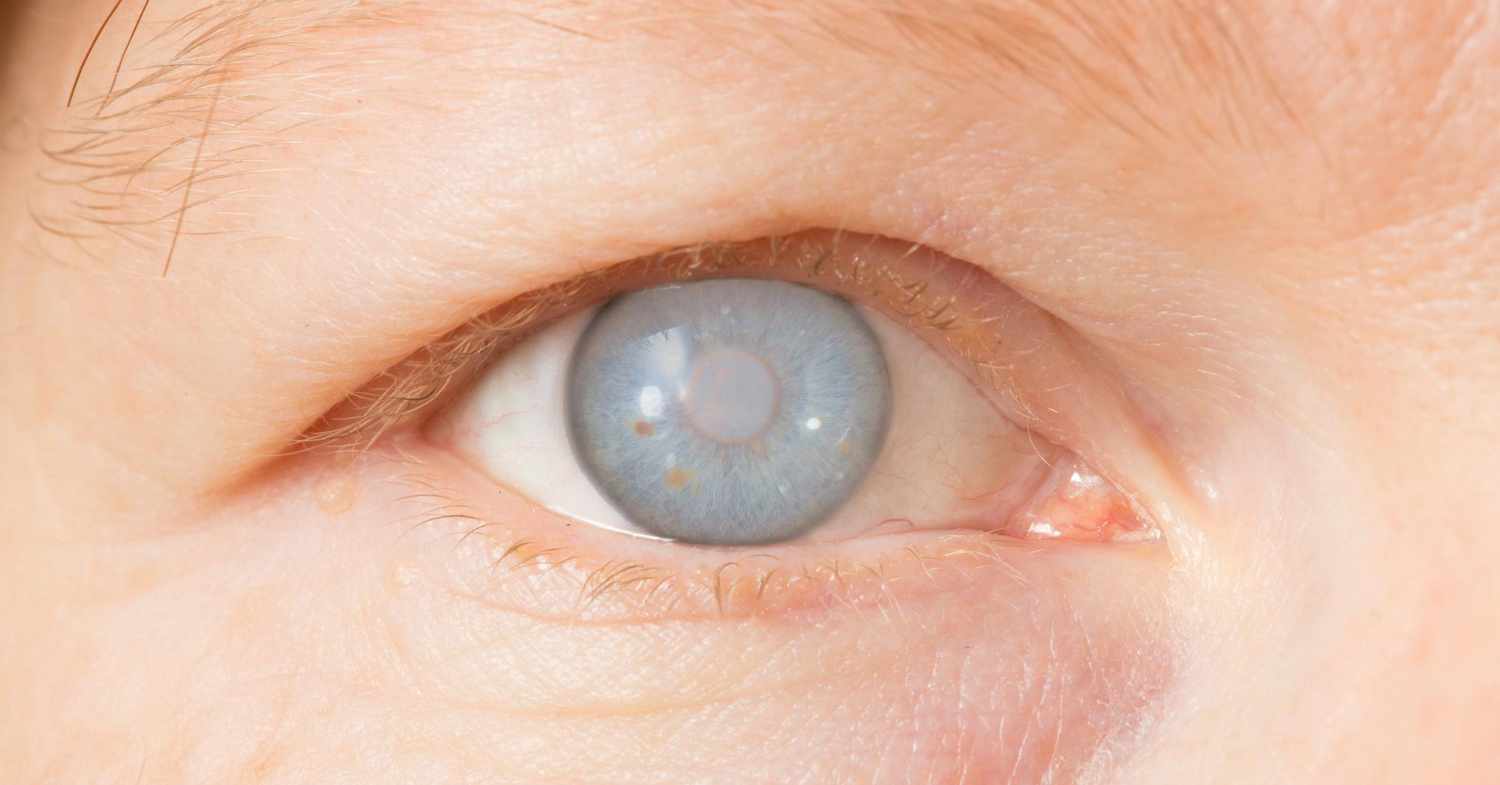
A cataract is a common eye condition in which the natural lens of the eye gradually becomes cloudy, reducing the passage of light and causing vision to appear blurred, dim, or hazy. While cataracts often develop as a part of the natural aging process, they can also result from other factors such as diabetes, prolonged steroid use, eye injuries, excessive exposure to sunlight, or hereditary predisposition. Common symptoms include difficulty reading, problems seeing clearly at night, glare or halos around lights, faded or dull colours, and frequent changes in prescription glasses. Over time, cataracts can significantly interfere with everyday activities such as driving, reading, or recognising faces, and if left untreated, may lead to severe visual impairment or blindness. Early detection through routine eye examinations allows timely intervention and prevents long-term vision loss.
Cataract surgery is recommended when the cloudiness of the lens begins to affect the patient’s quality of life. Unlike some conditions that can be managed with medications or lifestyle adjustments, cataracts cannot be reversed without surgical intervention. The procedure involves removing the cloudy natural lens and replacing it with a clear, artificial intraocular lens (IOL), which restores sharp, bright, and comfortable vision. Modern cataract surgery is minimally invasive, highly precise, and tailored to each patient’s visual needs, often allowing rapid recovery. With timely surgical care, patients can regain clarity, reduce dependence on glasses, and continue daily activities with improved visual confidence and quality of life.
What Happens During the Surgery
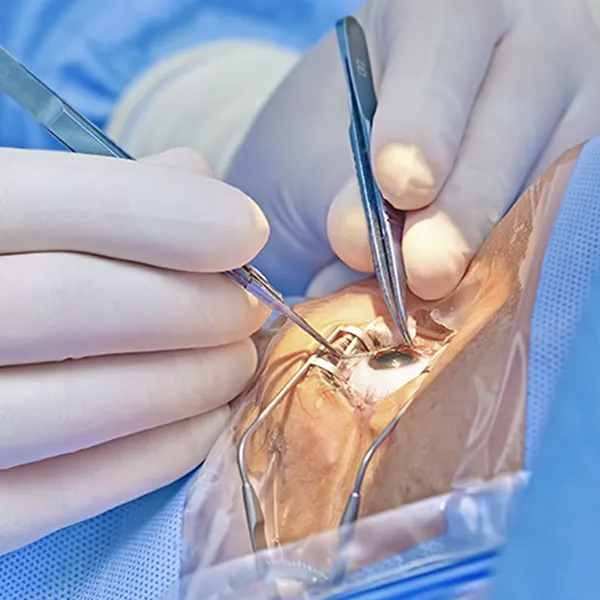
Cataract surgery is generally performed as an outpatient procedure, enabling patients to return home the same day and resume light activities soon after. On the day of surgery, numbing eye drops are applied, and in some cases, a mild sedative is given to ensure the patient remains completely comfortable. Although the patient stays awake throughout the procedure, it is entirely painless. The surgeon begins by creating a tiny, precise incision in the cornea, providing access to the cloudy natural lens. Using phacoemulsification—a gentle, ultrasound-based technique—the cataract is broken into microscopic fragments and carefully suctioned out, all while keeping the natural lens capsule intact to support the new lens.
Once the cataract is removed, a clear artificial lens, called an Intraocular Lens (IOL), is implanted into the preserved lens capsule. Most modern IOLs are foldable, allowing them to pass smoothly through the small incision before unfolding and securely positioning within the eye. This minimally invasive approach promotes faster healing and excellent visual outcomes. After the procedure, the eye is covered with a protective shield or patch to prevent accidental rubbing or pressure and support initial recovery. Postoperative instructions, medications, and follow-up visits ensure optimal healing, safety, and restored clarity of vision.
Benefits of Cataract Surgery
Cataract surgery dramatically improves vision clarity, providing sharper images, better contrast, and more vibrant colors—often surpassing pre-cataract vision. It reduces glare and halos, enhancing safety and comfort during activities like driving or outdoor work. Depending on the chosen intraocular lens (IOL), patients may also experience reduced dependence on glasses or contacts. With minimal discomfort, quick recovery, and reliable outcomes, cataract surgery restores visual confidence, improves daily functioning, and significantly enhances overall quality of life.
Why Choose Us?
At Aahan EyePlus, we are committed to delivering safe, advanced, and patient-centric cataract care. We offer:
- Experienced ophthalmic surgeons using modern, minimally invasive techniques (e.g. micro-incision phacoemulsification).
- A wide range of premium IOL options (monofocal, multifocal, toric) tailored to your vision needs and lifestyle.
- Comprehensive pre-operative evaluation, personalised treatment planning, and careful post-operative care to ensure smooth recovery and best possible visual outcomes.
- Compassionate support — from first consultation to full recovery — to help you see clearly again and regain independence in daily life.